Facebook
 X
X
 Pinterest
 Copy Link
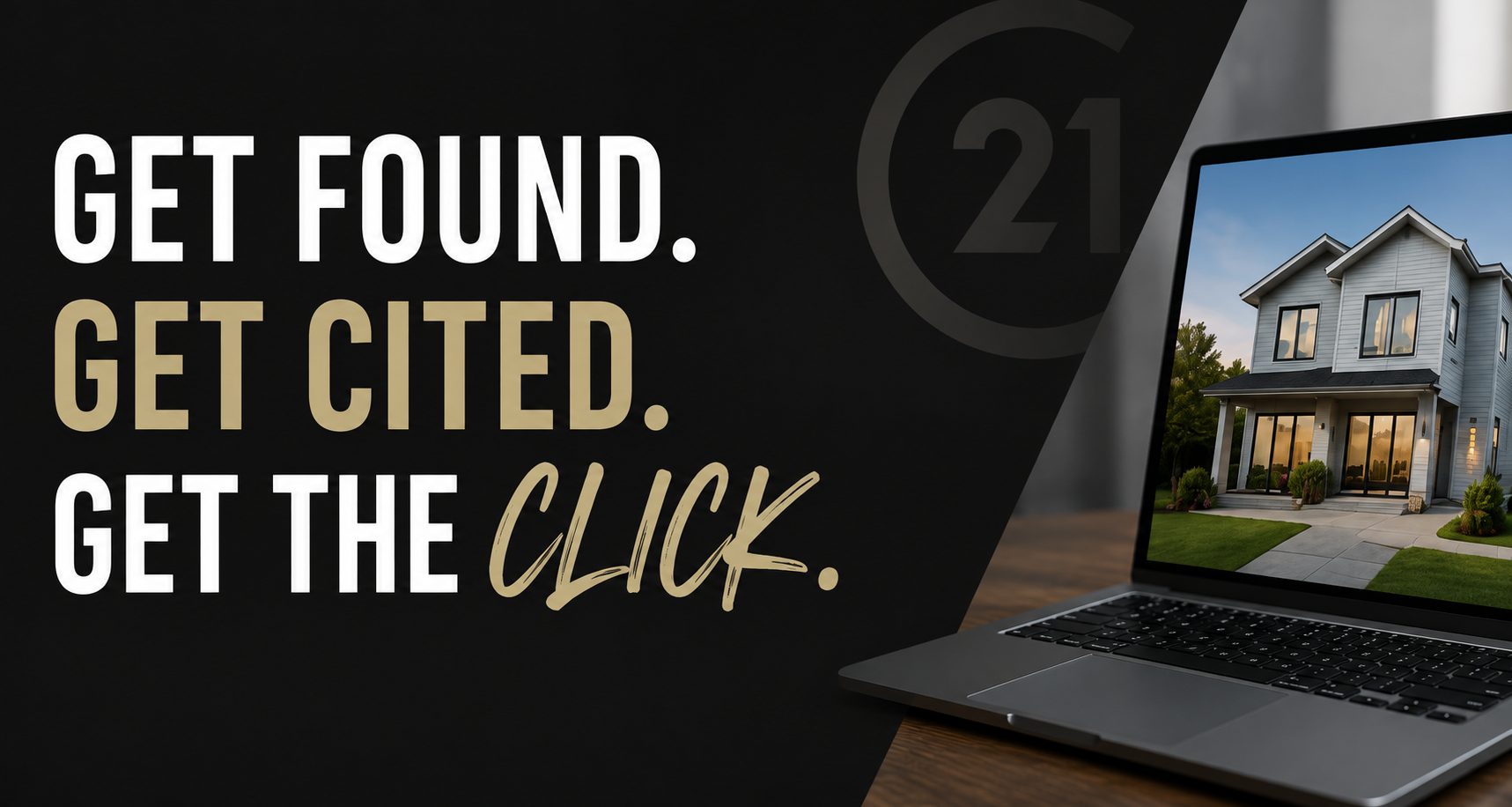
If someone Googled your name today, what would they find?
And more importantly, would they find enough information to understand who you are, where you work and what you actually do?
That matters more than ever.
People are using Google to find REALTORS®, but they’re also using AI tools to research agents, communities and real estate questions. The information you have online helps those tools—and the people using them—figure out where you fit.
You don’t need to become an AI expert. You just need to make sure your online presence is clear, accurate and actually useful.
Here are three areas worth paying attention to.
1. Start With Your Google Business Profile
Your Google Business Profile is one of the first things people may see when they search your name.
Take a few minutes to look at it as if you were a potential client. Is everything still correct?
Check your:
- Business category
- Name
- Brokerage
- Phone number and contact information
- Website
- Service areas
- Business description
- Profile photo
- Business and real estate photos
Your service areas are especially important. Be specific about the communities where you actually work. Don’t just say “Kawarthas” if you regularly work in Peterborough, Lakefield, Apsley, Hastings, Campbellford or other specific communities.
Your description should also make it obvious what you do, who you work with and what types of real estate you handle.
And then keep it fresh. Add new photos and relevant information from time to time. Your online presence shouldn’t look like it was last updated five years ago.
2. Give Your Website More to Work With
Your website shouldn’t just be your bio, a contact form and a few listings.
Think of it as a library of information about you, your business and your market.
This is where consistent content can make a difference.
Write about the things you already know. You don’t need to come up with complicated topics or try to sound like a real estate economist.
Answer the questions you hear from clients every week.
Things like:
- What should first-time buyers know?
- What should sellers do before putting their home on the market?
- What does it cost to buy a waterfront property?
- What should buyers know about rural properties?
- What are the different communities you work in like?
- What does the current local market look like?
- What should someone moving to the area know?
- What questions should buyers be asking before making an offer?
You can also build out individual community pages, buyer and seller guides, listing pages and other useful resources.
Over time, those pieces of content become a much bigger resource than a basic five-page website.
And don’t overthink it.
Write about what you know, what you do and where you do it.
3. Pay Attention to What’s Actually Being Said in Your Reviews
Reviews are important, but don’t get too caught up in the number.
The content matters too.
“Great Realtor! Highly recommend!” is nice. But it doesn’t tell a potential client much about you.
A detailed review that talks about what you helped someone accomplish—and where you helped them—is much more useful.
When you’re asking a happy client for a Google review, try asking them to talk about their experience. You might say:
“Would you mind sharing a little about your experience working with me, including what I helped you with and the community where you bought or sold?”
Then leave it there.
Don’t write the review for them.
Let your clients use their own words. Over time, those genuine reviews can help build a clearer picture of the type of REALTOR® you are, the clients you work with and the communities you know.
So, What Should You Actually Do?
You don’t need to spend hours trying to figure out how to “beat” AI or manipulate search results.
Start with the basics.
Google Business Profile: Is it accurate and up to date?
Website: Does it have useful information about your business and your communities?
Reviews: Do they actually tell people what you do and how you help your clients?
And then keep doing it.
Add a blog post. Update your photos. Write about a community. Ask a past client for a review. Update your bio. Create a buyer guide. Share something useful.
It doesn’t have to happen all at once.
The goal is to build an online presence that consistently answers three simple questions:
WHO ARE YOU?
WHERE DO YOU WORK?
WHAT DO YOU DO?
If Google, AI and a potential client can all figure that out quickly, you’re doing it right.